
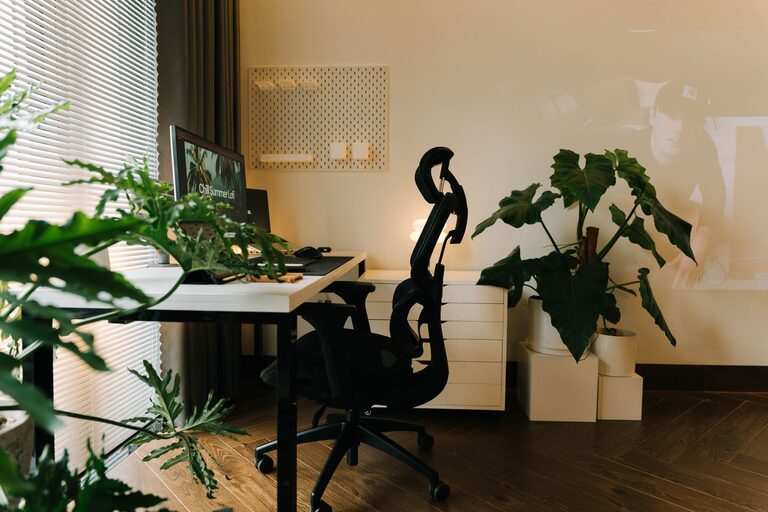
Creating a home office that is both cozy and productive can make a big difference in your daily work routine. Whether you’re working remotely full-time or just need a dedicated spot for occasional tasks, designing a space that supports focus while feeling inviting can improve your mindset and efficiency. This guide offers practical tips and ideas to help you create a home office that is comfortable, organized, and inspiring.
Choose the Right Location
Finding the best spot for your home office is the first step. Look for a space that has:
– Natural Light: A room or corner near a window helps reduce eye strain and boosts mood.
– Low Distraction: Select an area away from heavy foot traffic, noise, or household activities.
– Enough Space: Ensure there is room for your desk, chair, and storage without feeling cramped.
If your home doesn’t have a spare room, consider creative solutions like a converted closet or a nook under the stairs.
Invest in Comfortable and Functional Furniture
Comfort is key when you spend long hours working at a desk. Prioritize ergonomics and functionality:
– Ergonomic Chair: Choose a chair with adjustable height, good lumbar support, and cushioning to protect your back.
– Desk Size and Height: Your desk should fit your work equipment and allow for proper posture—elbows bent at a 90-degree angle.
– Additional Furniture: Use shelves, filing cabinets, or storage bins to keep supplies organized and within reach.
Remember, durable and quality furniture can be a worthwhile investment for long-term comfort and productivity.
Optimize Lighting
Proper lighting reduces eye fatigue and helps maintain alertness:
– Natural Light: Maximize sunlight by keeping windows unobstructed. Use sheer curtains to soften glare.
– Task Lighting: Desk lamps with adjustable brightness allow you to focus light where needed.
– Ambient Lighting: Consider soft overhead or wall lighting to create a warm, welcoming atmosphere without harsh shadows.
Avoid relying solely on harsh fluorescent lighting as it can cause discomfort and tiredness.
Personalize Your Workspace
Adding personal touches can make the office feel more inviting and inspire creativity:
– Colors: Choose calming or motivating colors like soft blues, greens, or warm neutrals for walls and accents.
– Decor: Incorporate artwork, plants, or meaningful photos to personalize the space without cluttering it.
– Comfort Items: A cozy blanket, cushions, or a favorite mug can add warmth and make breaks more enjoyable.
Personalization balances professionalism with comfort and creates a space you want to spend time in.
Organize for Efficiency
An organized workspace supports focus and reduces stress:
– Declutter Regularly: Keep only essential items on your desk to minimize distractions.
– Use Storage Solutions: Label drawers, bins, or shelves so everything has a designated place.
– Cable Management: Use clips or sleeves to tame cords and keep surfaces tidy.
Good organization habits save time and help maintain a clear mind throughout your workday.
Incorporate Technology Thoughtfully
Technology is essential but can also become overwhelming:
– Reliable Equipment: Invest in a good computer, monitor, keyboard, and mouse to streamline tasks.
– Wireless Options: Reduce cable clutter with wireless keyboards, mice, and printers.
– Quality Headphones or Speakers: For virtual meetings or music to boost concentration.
Make sure your internet connection is strong and stable to avoid interruptions.
Establish Boundaries and Routine
To maintain productivity and prevent burnout, create clear work habits:
– Set Working Hours: Define when you start and stop work to separate professional time from personal life.
– Designate the Office Space: Use the home office exclusively for work to enhance focus and signal to others your availability.
– Take Breaks: Include short breaks to stretch or relax, helping refresh your mind and body.
A healthy routine reinforces the boundary between work and home life.
Maintain Air Quality and Comfort
A comfortable environment supports well-being and efficiency:
– Ventilation: Open windows periodically or use an air purifier to keep air fresh.
– Temperature Control: Adjust heating or cooling to a comfortable level, ideally between 68–72°F.
– Add Plants: Indoor plants improve air quality and add a natural, soothing element.
Good air quality and a pleasant temperature enhance concentration and comfort.
Conclusion
Creating a cozy and productive home office is about balancing comfort, organization, and efficient design. By selecting the right location, investing in ergonomic furniture, optimizing lighting, and personalizing your space, you can build a work environment that supports your best performance. Adding thoughtful technology, maintaining good routines, and ensuring comfort will help you enjoy your workspace every day. With these tips, your home office can become a place where you feel motivated, relaxed, and ready to tackle your tasks with ease.