Creating a cozy and inviting home workspace can make a big difference in your comfort and productivity. Whether you work from home full-time or need a quiet spot for occasional tasks, your workspace should feel pleasant and inspire focus. In this post, we’ll explore tips to help you design a home office that is both functional and welcoming.
Choose the Right Location
The first step in setting up your workspace is selecting a spot in your home that supports concentration and comfort.
– Natural light: Aim for a space near a window to take advantage of natural light, which can boost mood and reduce eye strain.
– Quietness: Pick a quiet area away from household noise or busy passageways to minimize distractions.
– Space: Ensure there’s enough room for your desk, chair, and any equipment or supplies you need.
Even a small nook can be transformed into a cozy workstation with the right setup.
Invest in Comfortable Furniture
Comfort is key when spending long hours working. Your choice of furniture plays a significant role.
– Ergonomic chair: Select a chair that supports your back and allows you to sit at the proper height relative to your desk.
– Desk size: Choose a desk that fits your space and provides enough surface area for your computer, notebooks, and accessories.
– Flexible options: If possible, consider a sit-stand desk or a desk riser to change positions during the day.
Comfortable furniture encourages good posture and helps prevent physical strain.
Personalize with Decor and Color
Adding personal touches can make your workspace feel inviting and uniquely yours.
– Colors: Use calming colors like soft blues, greens, or neutrals to create a soothing atmosphere. Bright accents can add energy without overwhelming.
– Artwork: Hang inspiring prints, photos, or artwork that motivate you or bring joy.
– Plants: Incorporate greenery to improve air quality and add a natural, refreshed vibe.
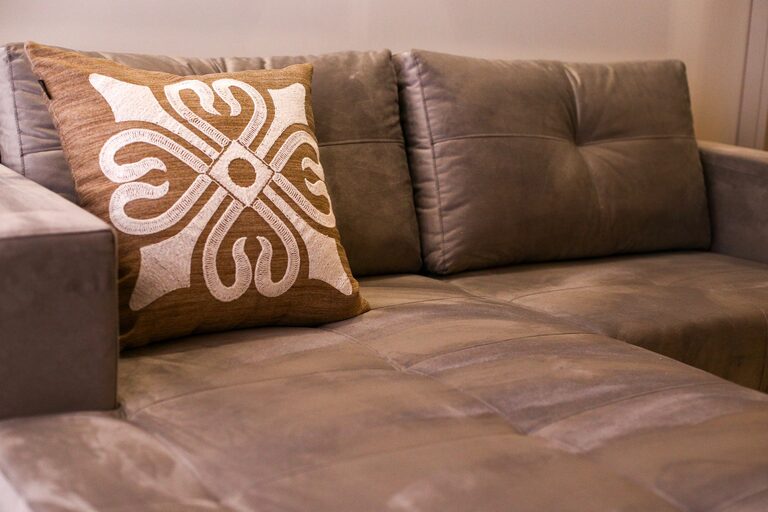
– Rugs and cushions: These elements add warmth and texture, making the space feel cozy.
Balance personalization with a clean look to keep your workspace organized.
Optimize Lighting
Good lighting is essential to reduce eye strain and maintain focus.
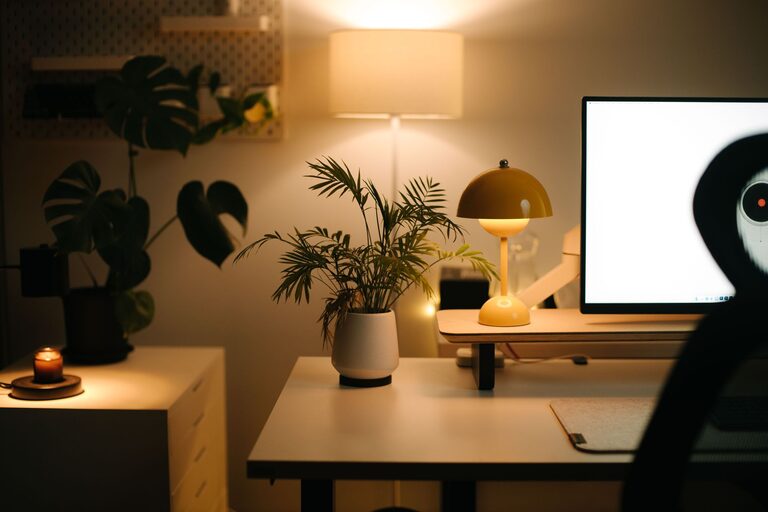
– Layered lighting: Combine natural light with task lighting, such as a desk lamp, and ambient lighting like overhead fixtures.
– Adjustable lamps: Use lamps with adjustable brightness or color temperature to suit different times of the day.
– Avoid glare: Position your monitor and lights to prevent screen glare.
Taking time to arrange your lighting can enhance comfort and productivity.
Keep Your Workspace Organized
A tidy workspace helps reduce stress and improve efficiency.
– Storage: Use shelves, drawers, or boxes to keep supplies and documents neatly stored.
– Cable management: Organize cords with clips or sleeves to avoid clutter.
– Daily tidying: Make it a habit to clear your desk at the end of each day.
A clean space clears your mind and makes it easier to start fresh each day.
Add Comfort with Textiles and Accessories
Small touches can increase your physical comfort throughout the workday.
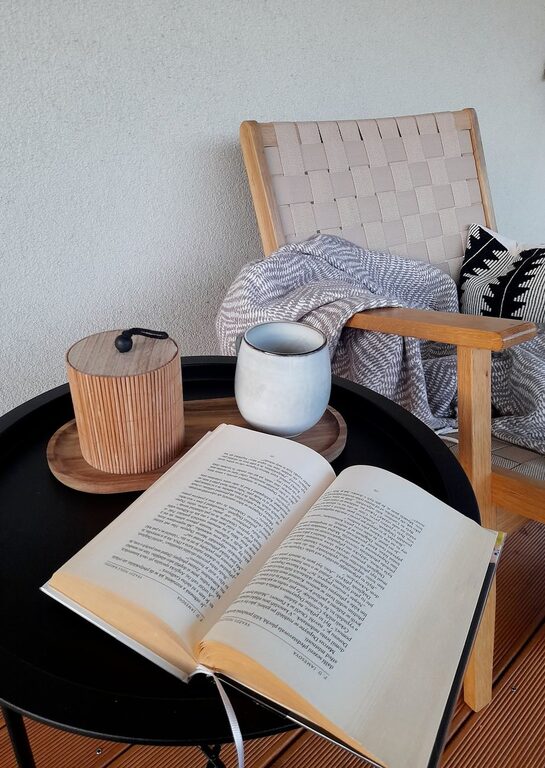
– Throw blanket or shawl: Keep one handy to stay warm in cooler weather.
– Footrest: Use a footrest to improve your sitting posture.
– Mouse pad with wrist support: This can reduce wrist fatigue.
These details contribute to an inviting workspace where you feel cared for.
Set Boundaries and Create Routine
Your workspace should support your work-life balance.
– Designate workspace: Use your workspace only for work to separate home life and work life.
– Establish working hours: Create a routine that defines when you start and stop working.
– Break area: If possible, have a separate spot for breaks to mentally refresh.
Clear boundaries help maintain productivity and prevent burnout.
Incorporate Technology Wisely
Technology is vital, but balance is important.
– Efficient setup: Use a reliable computer, high-speed internet, and necessary peripherals.
– Minimize distractions: Turn off non-essential notifications or keep your phone out of reach.
– Backup plan: Have a system to back up work regularly to prevent data loss.
A smooth tech setup supports focus and reduces frustration.
Final Thoughts
Designing a cozy and inviting home workspace takes a bit of planning but pays off in comfort and efficiency. By considering location, furniture, lighting, organization, and personal touches, you can create a space where you look forward to spending time. Remember, the best workspace reflects your needs and style, encouraging productivity while keeping you relaxed. Start with small changes and enjoy the process of making your home office your happy place.