
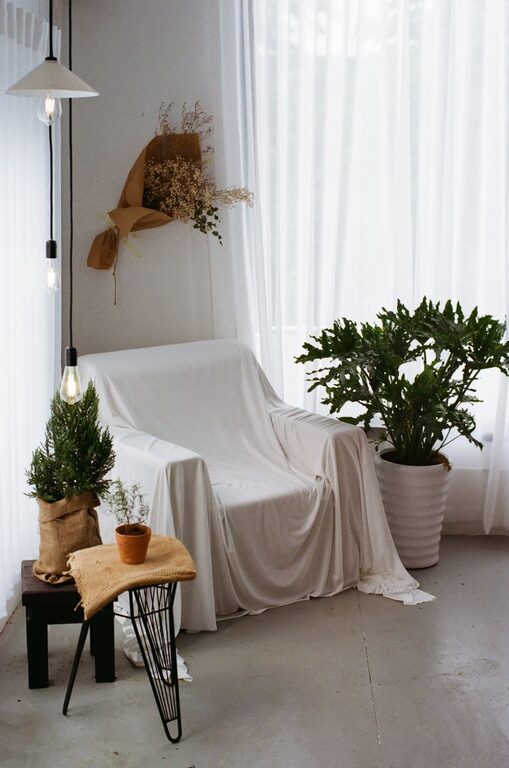
Creating a relaxing home environment doesn’t have to mean a complete overhaul or expensive renovations. With just a few simple decor changes, you can turn your space into a peaceful retreat that nurtures calm and comfort. Whether you live in a small apartment or a larger home, these easy tips will help you create an atmosphere where you can unwind and feel refreshed.
Choose Soothing Colors
One of the most effective ways to make a room feel relaxing is to pay attention to its color palette. Soft, muted tones tend to promote tranquility better than bright or harsh colors.
– Opt for neutral shades: Light beige, soft gray, or creamy white can make your space feel open and calming.
– Incorporate pastel hues: Gentle blues, greens, blush pinks, and lavenders can add a touch of color while keeping the mood serene.
– Use color psychology: Greens remind us of nature and encourage relaxation, while blues are known to reduce stress.
Try repainting walls, updating cushions, or adding throws in these colors for a subtle but impactful change.
Bring in Natural Elements
Incorporating natural materials and plants is a simple way to boost calmness and improve air quality.
– Add houseplants: Plants like snake plants, pothos, or peace lilies are low-maintenance and great for filtering indoor air.
– Use natural fabrics: Consider cushions, rugs, or curtains made of cotton, linen, or wool.
– Incorporate wood and stone: Furniture or decorative items made from natural wood or stone add warmth and texture to your space.
These elements connect your home to the outdoors, which is often calming and grounding.
Improve Lighting
Lighting greatly influences the atmosphere in any room. Harsh overhead lights can create tension, while soft, layered lighting can foster relaxation.
– Use soft white bulbs: Choose bulbs with warm color temperatures (2700K-3000K).
– Add multiple light sources: Combine floor lamps, table lamps, and candles to create a cozy environment.
– Use dimmers: Installing dimmer switches lets you control how bright your room feels, perfect for adjusting to your mood.
If natural light is limited, mirrors placed strategically can help reflect and amplify it to brighten the space.
Declutter and Organize
A cluttered space can quickly become overwhelming and stressful. Keeping things tidy is essential for a calm, relaxing home.
– Clear surfaces: Keep tables, countertops, and shelves free of unnecessary items.
– Use storage solutions: Baskets, bins, and organizers help keep belongings out of sight but easily accessible.
– Adopt a “less is more” approach: Limit decorations and furniture to what you truly love and need.
Regularly decluttering can help maintain a serene environment.
Add Cozy Textures
Texture adds depth and comfort to your space, making it inviting and relaxing.
– Layer textiles: Use soft cushions, plush throws, and textured rugs.
– Incorporate tactile decor: Items like woven baskets, knitted pillows, or chunky blankets add warmth.
– Mix hard and soft surfaces: Pair smooth wooden furniture with soft fabrics for balance.
These touches make your home feel lived-in and welcoming without being overstimulating.
Choose Calming Scents
Scent can influence mood powerfully. Introducing subtle, calming aromas can enhance relaxation.
– Use essential oils: Scents like lavender, chamomile, or eucalyptus are known for their soothing properties.
– Try scented candles or diffusers: They provide gentle, continuous fragrance while adding ambiance.
– Avoid overpowering smells: Keep scents light to maintain a fresh and peaceful atmosphere.
Be mindful of allergies and sensitivities when selecting fragrances for your home.
Personalize with Meaningful Items
Incorporating personal touches helps your space feel comforting and uniquely yours.
– Display favorite photos or art: Choose pieces that evoke happy memories or inspire calm.
– Add items with sentimental value: A cherished blanket or heirloom can enhance your sense of belonging.
– Create a cozy nook: Designate a small space with your favorite books or hobbies to encourage relaxation.
When your home reflects your personality, spending time there becomes more restorative.
Incorporate Minimal Technology
Reducing the presence of screens and electronic devices can help your mind unwind.
– Limit TV and computer areas: Keep these confined to specific rooms or corners.
– Create tech-free zones: A bedroom or reading nook without screens encourages rest.
– Hide cords and devices: Clutter-free tech contributes to a cleaner, calmer environment.
Balancing technology use supports mental relaxation and a peaceful setting.
—
By using these simple decor changes, you can create a home environment that feels peaceful, inviting, and restorative. Small adjustments to color, lighting, texture, and organization can make a big difference in promoting relaxation every day. Remember, the key is to keep your space personal, uncluttered, and filled with elements that bring you comfort and joy. Happy decorating!